

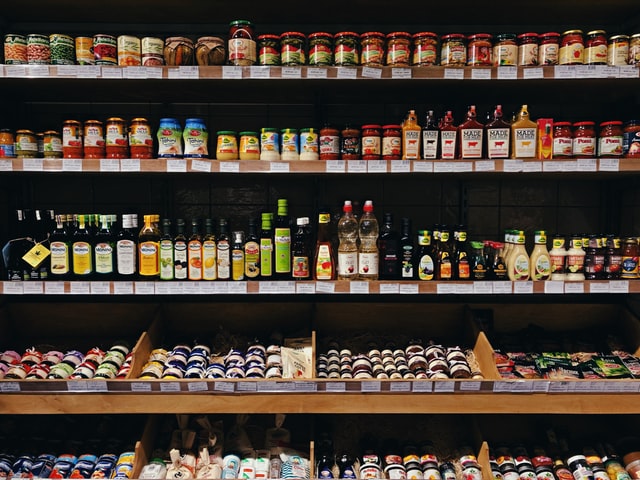
Indonesia’s food and beverage sector has emerged as a standout industry, demonstrating remarkable resilience and consistent growth, even amidst economic disruptions caused by the COVID-19 pandemic.
With total investments amounting to IDR 22.63 trillion in Q1 2025 alone, including IDR 9.03 trillion in foreign direct investment, this industry continues attracting domestic and international entrepreneurs looking to capitalise on Indonesia’s vibrant market and biodiversity-rich resources.
However, before entering this profitable market, entrepreneurs must navigate critical regulatory processes, specifically the mandatory product registration with Indonesia’s National Agency of Drug and Food Control (BPOM). Understanding and complying with these requirements is vital to ensure your products reach consumers legally and safely.
Not every food product sold in Indonesia requires BPOM approval, but many processed foods do. These include:
| Product Category | Examples | Reason for Registration |
|---|---|---|
| Packaged Food and Beverages | Bottled mineral water, carton-packaged juices, instant meals | Ensure health and safety standards are met. |
| Herbal Medicines and Health Supplements | Vitamins, dietary supplements, and traditional herbal medicines (jamu) | Vitamins, dietary supplements, and traditional herbal medicines (jamu) |
| Frozen Foods | Frozen meals, sausages, pizzas | Contain food additives; registration ensures consumer safety. |
| Commercial Snacks and Processed Light Meals | Chips, biscuits, chocolate bars, confectionery items | Sauces, chilli paste, canned goods |
| Foods with Preservatives and Additives | Validate the safety and efficacy of ingredients and claims. | Safety compliance to regulate preservative and additive usage. |
| Specialty Foods (Baby Food, Diet Foods, Medical Nutrition) | Infant formula, packaged baby food, dietary supplements for medical conditions | Adherence to strict nutritional guidelines and safety standards. |
However, products like freshly made foods, items with a shelf life under seven days, or ingredients intended solely for further processing typically do not require BPOM approval. Instead, short-shelf-life products require a Home Industry Food Production Permit (P-IRT).
To register products with BPOM, business owners must first establish a legally recognised entity in Indonesia. Entrepreneurs typically have three main options:
While the BPOM registration process may appear daunting, partnering with an experienced local consultancy like Permitindo can significantly simplify these regulatory hurdles. Permitindo specializes in guiding businesses through company formation, licensing, and BPOM product registration, enabling entrepreneurs to confidently enter and grow in Indonesia’s dynamic food and beverage industry.
If you’re ready to launch your food and beverage products in Indonesia, contact Permitindo to navigate BPOM compliance and company registration smoothly.
Privacy Statement Regarding Data Collection
Your privacy is of utmost importance to us. When you reach out to us for assistance or with any queries:
You acknowledge and consent to our data collection and use practices outlined in this privacy statement by providing your contact information. If you have any concerns or questions about our privacy practices, please don’t hesitate to contact us.
Photo by Daria Volkova
Any questions? Contact us!