

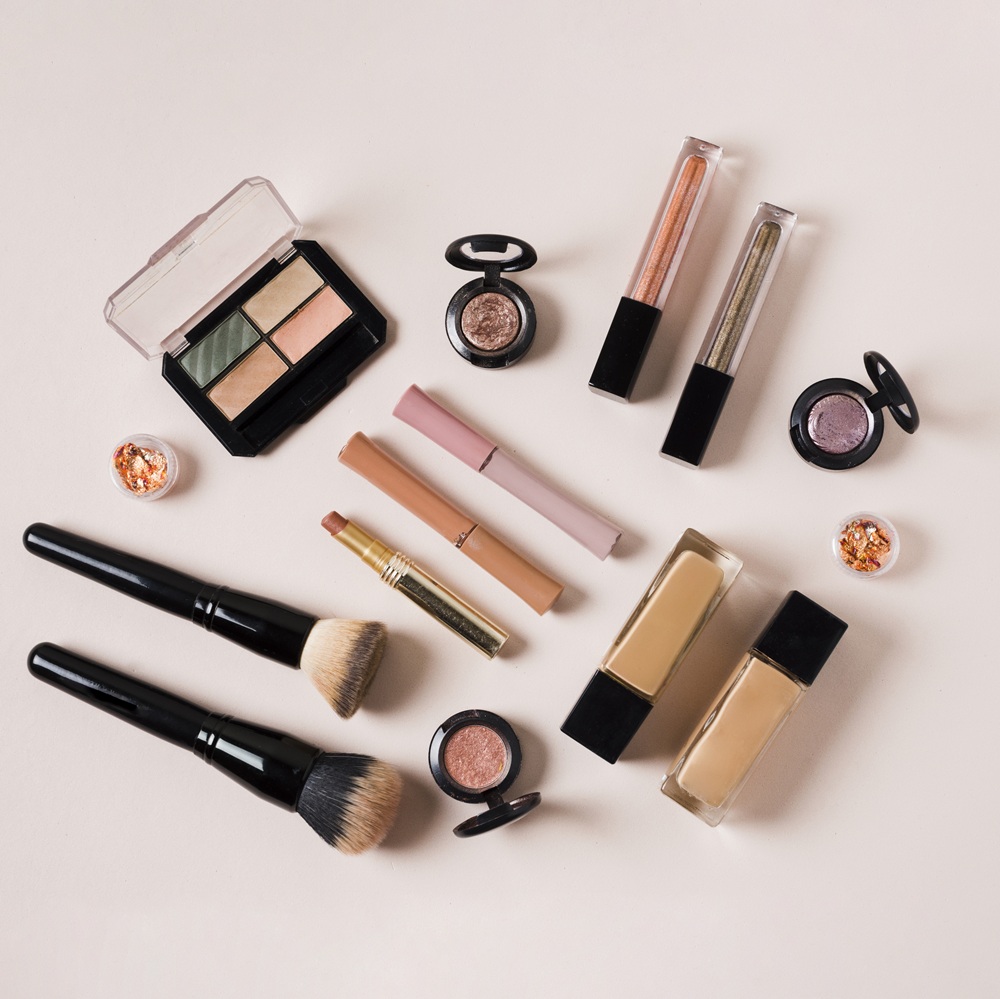
Cosmetic products, including skincare, have become a daily necessity for the Indonesian market. With the majority of the population being Muslim, halal assurance is a crucial factor influencing consumer decisions. For many Muslim women, the halal label is no longer just an added value, it has become one of the key considerations before purchasing any beauty product.
As consumer awareness continues to rise, the government has imposed mandatory halal certification for various product categories, including cosmetics, whether produced domestically or imported from abroad.
There are several key reasons why halal certification for cosmetic products is considered essential:
1. Protecting Muslim Consumers
Consumers want assurance that the products they use don’t contain prohibited ingredients, animal derived, alcohol, or coming from processes that violate halal principles.
2. Strengthening Consumer Trust and Loyalty
The halal label enhances brand credibility and consumer confidence.
3. Expanding Market Access
Halal certified products can be marketed more easily, including in countries with strict halal regulations.
4. Higher Perceived Value
Halal certified products are generally viewed as more reliable and trustworthy.
The requirement for imported cosmetics to have a halal certificate will be fully enforced starting 17 October 2026. This means that all skincare and beauty products from overseas must obtain halal certification before they can be legally distributed in Indonesia.
This obligation is based on several key regulations:
Article 2 of GR 42/2024 stipulates that all products entering, circulated, and traded within Indonesia must be halal-certified, except for products containing any haram material. This is reinforced by Article 155(2)(d), which explicitly categorizes cosmetics as products subject to mandatory halal certification.

The government has also provided a transition period from 17 October 2021 to 17 October 2026, allowing businesses including importers to adjust their production processes, documentation, and halal assurance systems.
The halal certification process in Indonesia for cosmetic products generally involves the following steps:
1. Registration via the SIHALAL BPJPH System
Businesses must create an account and submit product information.
2. Document Preparation and Submission
Commonly required documents include:
3. Document Review
BPJPH and a Halal Inspection Body (LPH) will review the submitted documents for completeness and compliance.
4. On-Site Audit
LPH conducts a facility inspection to ensure that no non-halal contamination occurs and that all processes meet halal standards.
5. MUI Fatwa Session
Based on the audit results, MUI determines the halal status of the product.
6. Issuance of Halal Certificate
BPJPH issues the certificate electronically. The certificate is valid for four years, with mandatory re-audits if there are changes in materials or processes.
Obtaining halal certification can be a complex process. Common challenges faced by both producers and importers, include:
Halal certification offers several strategic advantages:
Cosmetic products circulated without halal certification after the deadline may face administrative sanctions, including:
These sanctions aim to ensure consumer protection and compliance with halal standards.
Starting 17 October 2026, all imported skincare and cosmetic products must be halal certified before being marketed in Indonesia. This requirement is not just a regulatory obligation but also an opportunity for businesses to enhance competitiveness, expand their market reach, and strengthen consumer trust.
Producers and importers are strongly encouraged to begin preparing early completing documentation, establishing halal assurance systems, and undergoing audits to avoid distribution delays or potential sanctions.
Services such as Permitindo’s Halal Certification Advisory can assist you throughout the process, enabling your business to thrive confidently in Indonesia’s vibrant market. Contact us now and let our experts help you.
Permitindo provides end-to-end assistance — Fill out the form below, and we will assist you with your needs.