

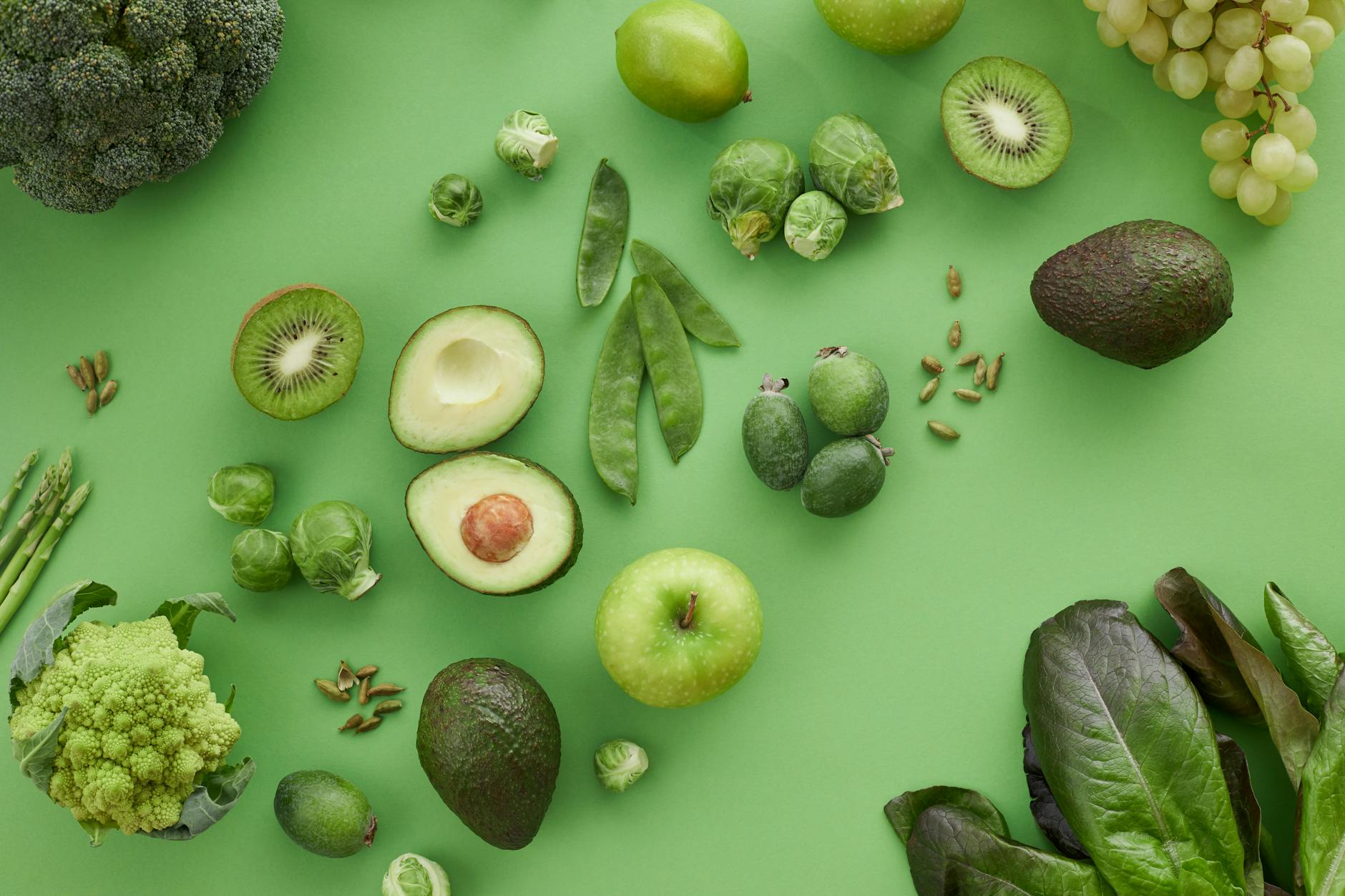
Fresh fruits and vegetables are essential commodities in Indonesia, contributing to national food security. While local production plays a major role, imports are necessary to meet market demands. However, importing fresh horticultural products requires businesses to navigate strict regulations and obtain the proper licenses.
This guide outlines the key requirements, licensing procedures, and compliance measures importers need to follow to ensure smooth and legal import operations.
Before importing fresh horticultural products, importers must ensure that the fruits and vegetables they plan to bring into Indonesia comply with Harmonized System (HS) Code classifications and government import regulations.
Each product falls under a specific HS Code, and importers must obtain the necessary permits, including an Import Notification (PI), a Surveyor’s Report (LS), and a Post-Border Examination approval.
Below is an example list of permitted fruits and vegetables along with their respective HS Codes and licensing requirements:
| Product Name | HS Code | Import Notification (PI) | Surveyor’s Report (LS) | Post-Border Examination |
| Banana | 0803 | ✔ | ✔ | ✔ |
| Pineapple | 08043000 | ✔ | ✔ | ✔ |
| Mango, Guava, Mangosteen | 080450 | ✔ | ✔ | ✔ |
| Orange | 08051010 | ✔ | ✔ | ✔ |
| Lemon | 080550 | ✔ | ✔ | ✔ |
| Grapes | 08061000 | ✔ | ✔ | ✔ |
| Apple | 08081000 | ✔ | ✔ | ✔ |
| Dragon Fruit | 08109092 | ✔ | ✔ | ✔ |
| Product Name | HS Code | Import Notification (PI) | Surveyor’s Report (LS) | Post-Border Examination |
| Potatoes | 0701 | ✔ | ✔ | ✔ |
| Onions | 0703 | ✔ | ✔ | ✔ |
| Carrots & Turnips | 0706 | ✔ | ✔ | ✔ |
| Chili & Capsicum | 0709 | ✔ | ✔ | ✔ |
HACCP certification ensures that fishery businesses implement proper food safety management. The Center for Certification and Safety of Fishery Products is responsible for issuing this certification.
All importers must obtain a Business Identification Number (NIB), which also serves as a General Importer Identification Number (API-U). Import licenses are processed through the Indonesia National Single Window (INSW) and INATRADE systems.
Importing fresh fruits and vegetables into Indonesia requires careful planning and strict compliance with government regulations. Ensuring that all required permits—such as the NIB, Import Notification (PI), and Surveyor’s Report (LS)—are secured is crucial for smooth operations. Permitindo provides expert assistance in navigating business license applications, ensuring importers remain compliant with Indonesian regulations.
With the right guidance, businesses can avoid unnecessary delays and focus on successfully expanding their operations in Indonesia’s growing horticultural sector.
To ensure compliance and product quality, importers must meet the following requirements:
Labels must include product origin, harvest date, and nutritional content if applicable.
Required documents include invoices, packing lists, bills of lading, and import approval documents.
Businesses should track shipments to ensure timely delivery and assess compliance with international regulations for continuous improvement.
All registered importers with an NIB (API-U) must report import realization data at the end of each quarter (January, April, July, October, and December) through the INATRADE system.
Failure to submit reports may result in administrative penalties or license suspension.
Importers who fail to comply with regulations may face the following penalties:
Importing fresh horticultural products into Indonesia plays a crucial role in maintaining national food security and meeting consumer demand. However, the process requires strict compliance with government regulations, including securing the necessary licenses, import approvals, and food safety certifications.
By following the required procedures, businesses can ensure smooth operations while supporting the sustainability of Indonesia’s agricultural sector.
If your business needs assistance with securing import licenses or navigating regulatory requirements, fill in the form below to get expert guidance.